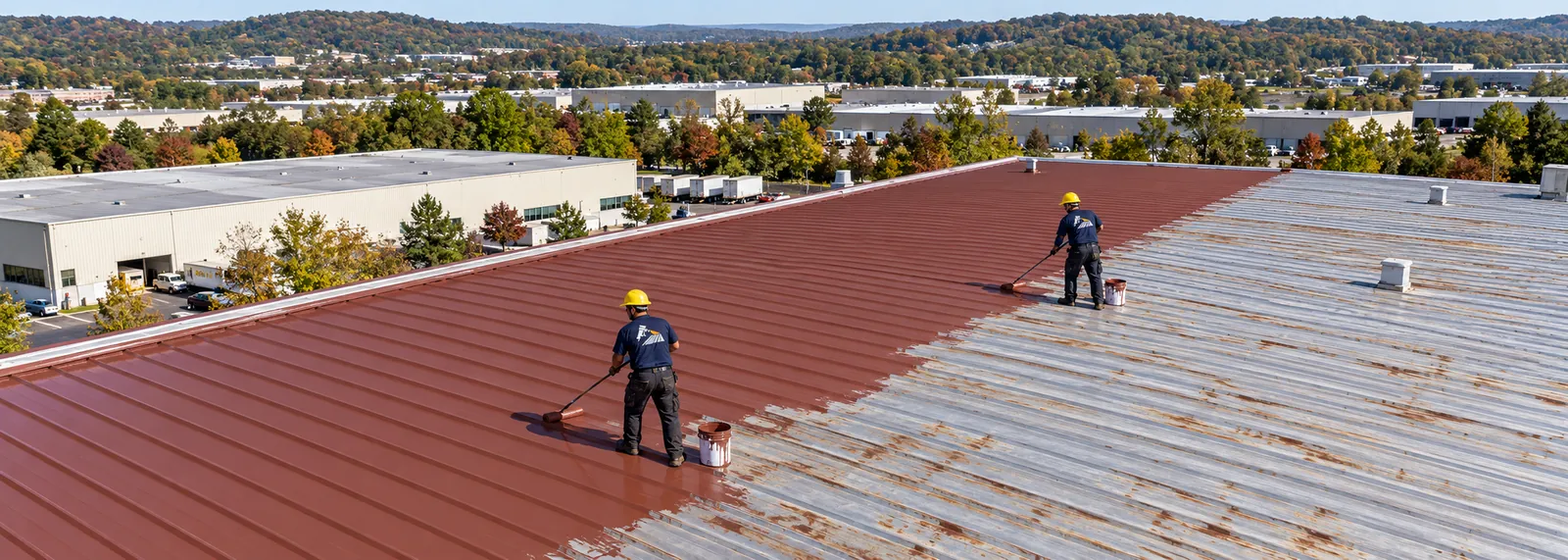
Metal Roof Coating
Restoration for exposed-fastener and standing seam roofs with leaking screws, rusting laps, and chalked paint, finished with a full coat.
Metal roof coating in Florence
Our roof coating services in Florence cover five systems for commercial roofs. The inspection decides which one fits your roof, its drainage, and its condition.
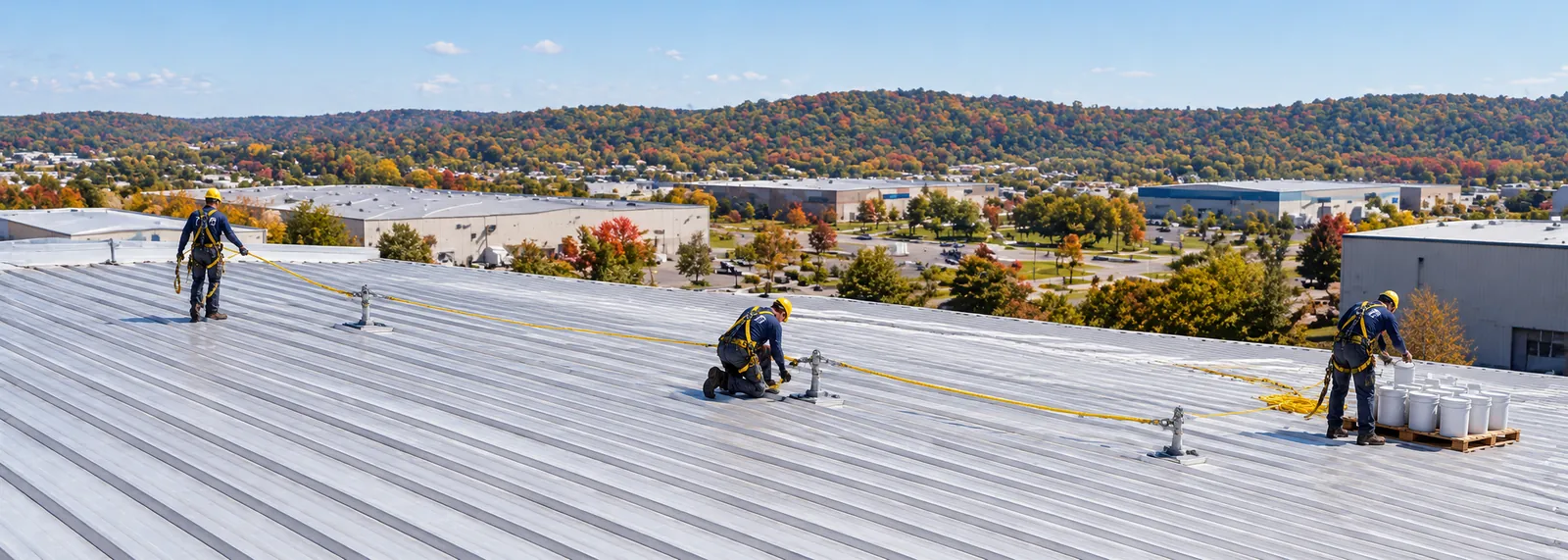
Each system below fits a different kind of commercial roof. Start with the one that matches yours.
Restoration for exposed-fastener and standing seam roofs with leaking screws, rusting laps, and chalked paint, finished with a full coat.
Metal roof coating in Florence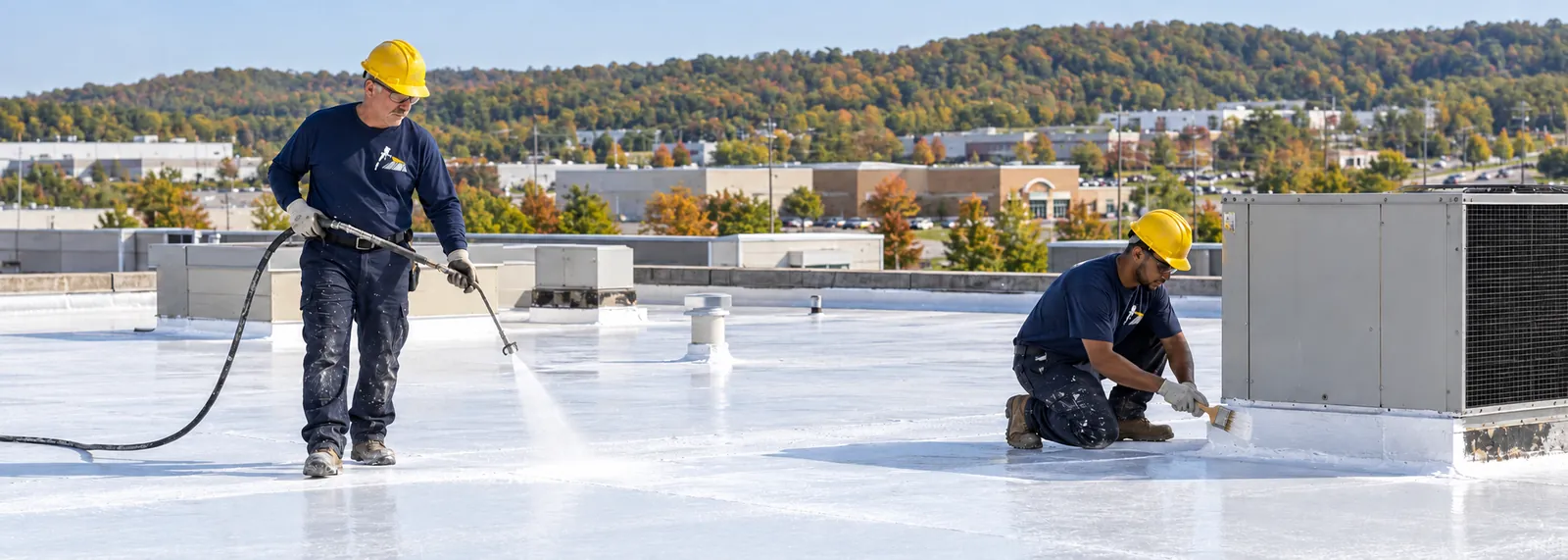
For low-slope metal and flat roofs where water lingers after storms, with laps and drains handled before the silicone.
Silicone roof coating in Florence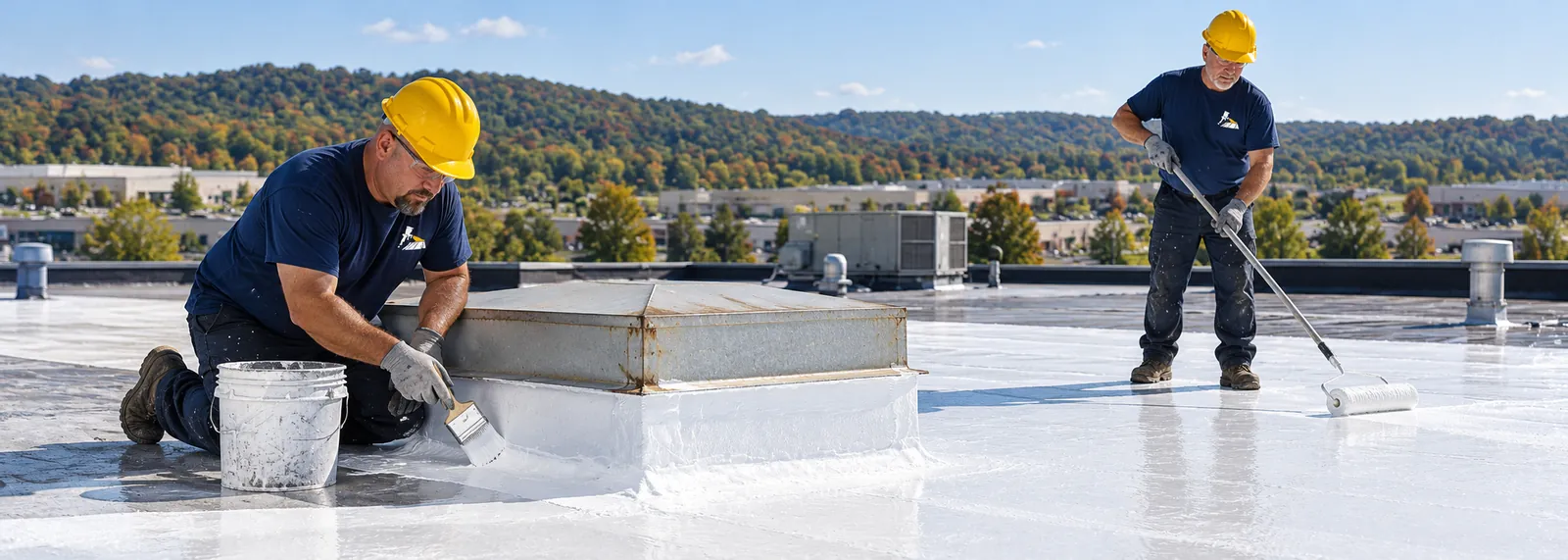
Built around pitched panel roofs that drain fast, applied in warm, dry weather, and simple to recoat later.
Acrylic roof coating in Florence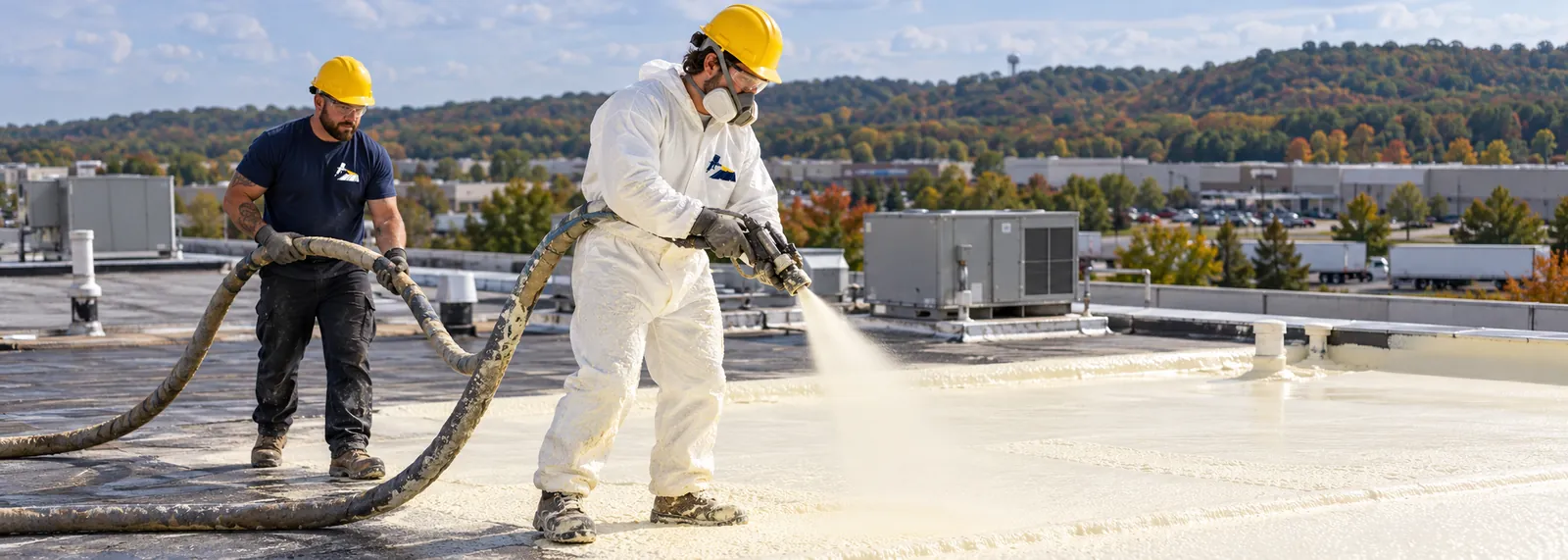
Foam over clean steel or decks for buildings that need insulation or better drainage, sealed with a topcoat.
Spray foam roofing in Florence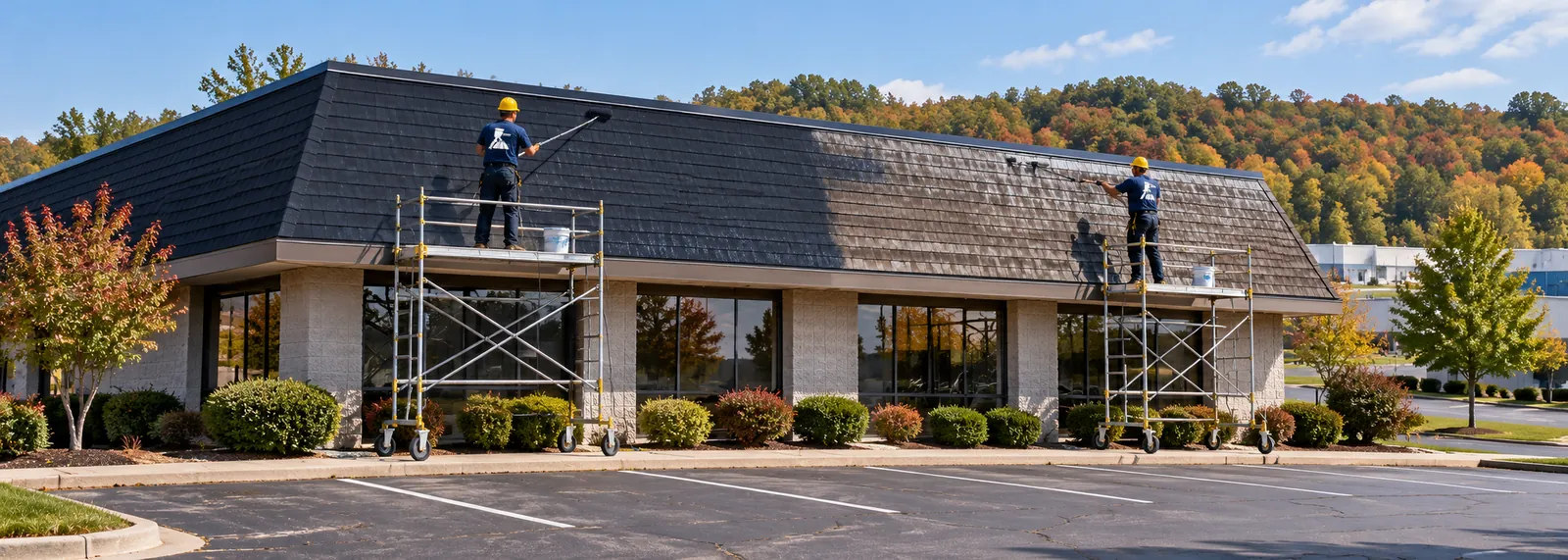
A careful check for commercial shingle slopes, coated only when the shingles and the maker's terms allow it.
Shingle roof coating in FlorenceA quick side-by-side of the five systems. The inspection confirms the choice on your roof.
| System | Roof Type | Standing Water | Weather To Apply | Recoat With |
|---|---|---|---|---|
| Metal roof coating | Exposed-fastener and standing seam steel | Set by the topcoat chosen | Dry steel within the product's cure range | Same coating family |
| Silicone | Low-slope metal and flat membranes | Holds up under ponding | Tolerates cooler, damper days | Silicone only |
| Acrylic | Pitched panels that drain fast | Softens under ponding | Warm, dry days and nights | Acrylic |
| Spray foam | Steel or decks needing insulation | Foam can be sloped to drains | Calm wind, dry surface, warm steel | Its topcoat family |
| Shingle coating | Commercial shingle slopes | Sheds water by slope | Dry weather | Shingle coating |
Call and describe the roof: its slope, metal or membrane, and where water sits. That is enough to point the inspection in the right direction.
Whatever system goes on, the work follows the same five steps on Florence roofs.
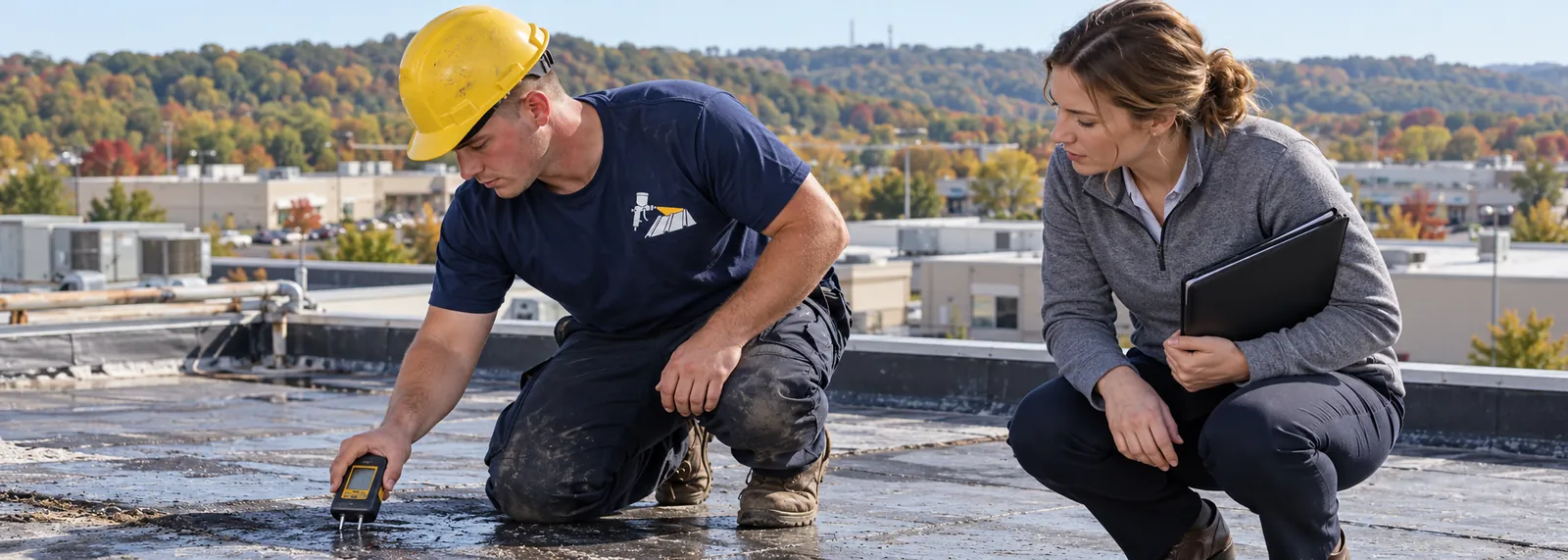
Every service begins on the roof with screws, seams, drains, curbs, and moisture readings. The findings, with photos, decide the system and the repairs.
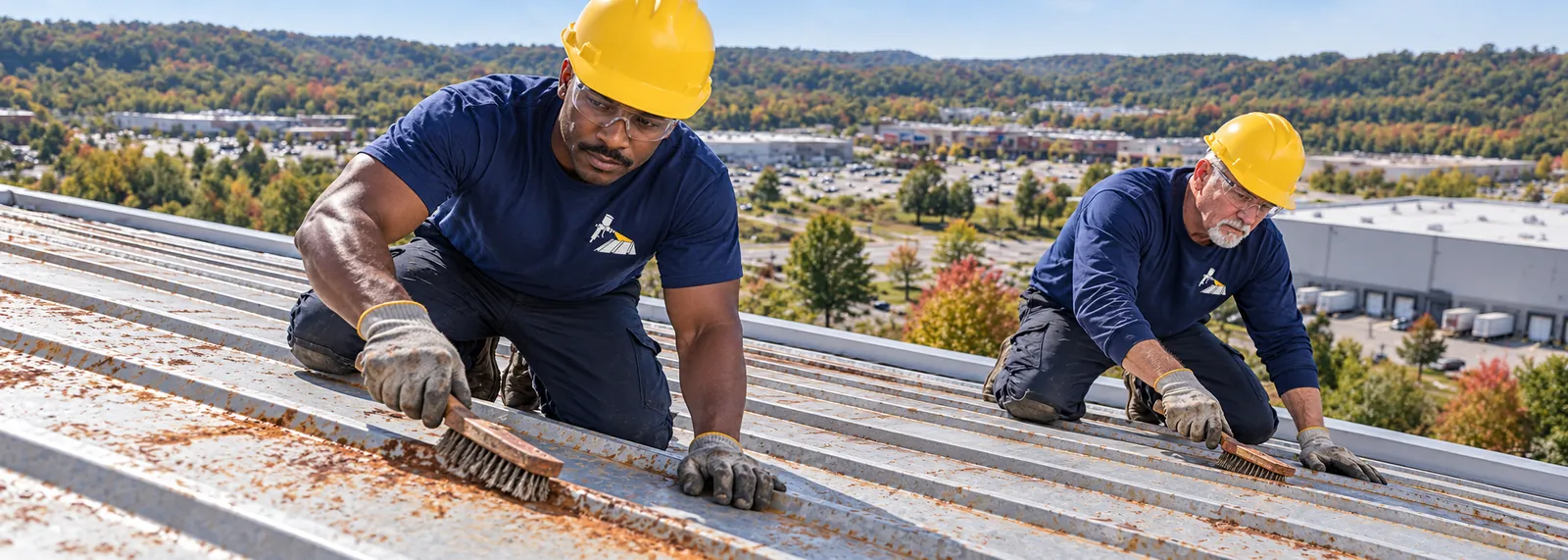
Pressure washing and rust removal give any coating a clean, firm surface to bond to, whether steel, membrane, foam, or shingle.
Screws, laps, seams, curbs, and flashing are repaired and reinforced, because every system fails first at those joints when they are skipped.
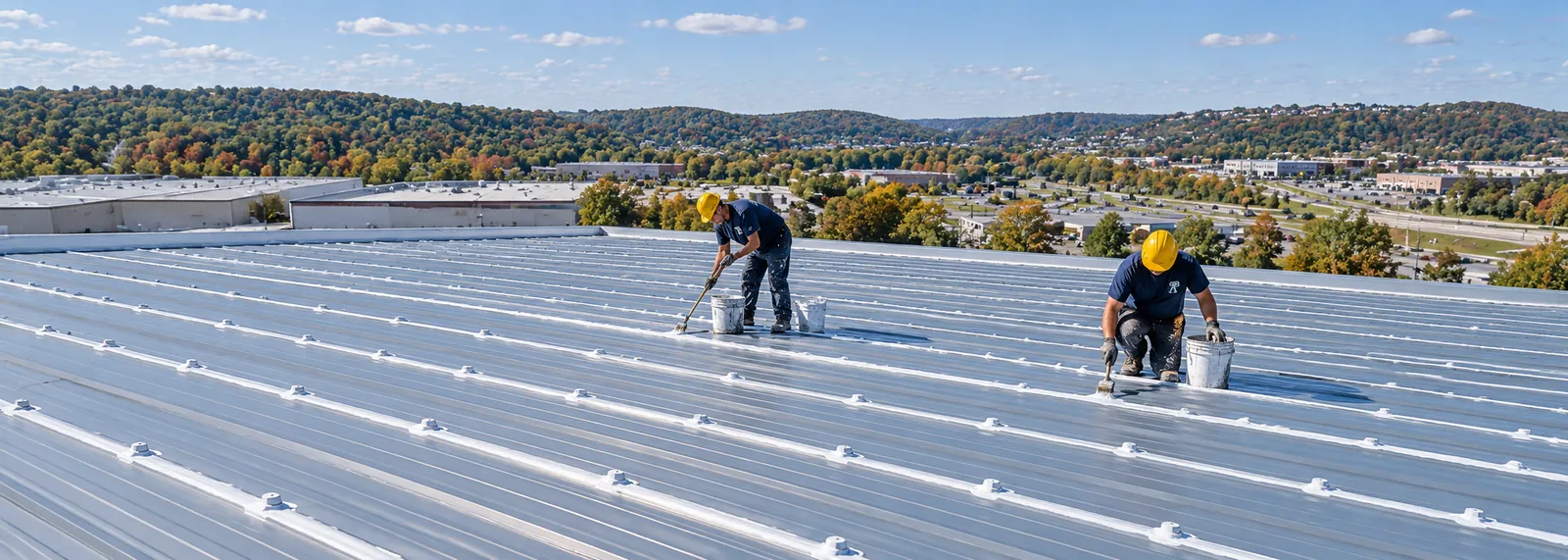
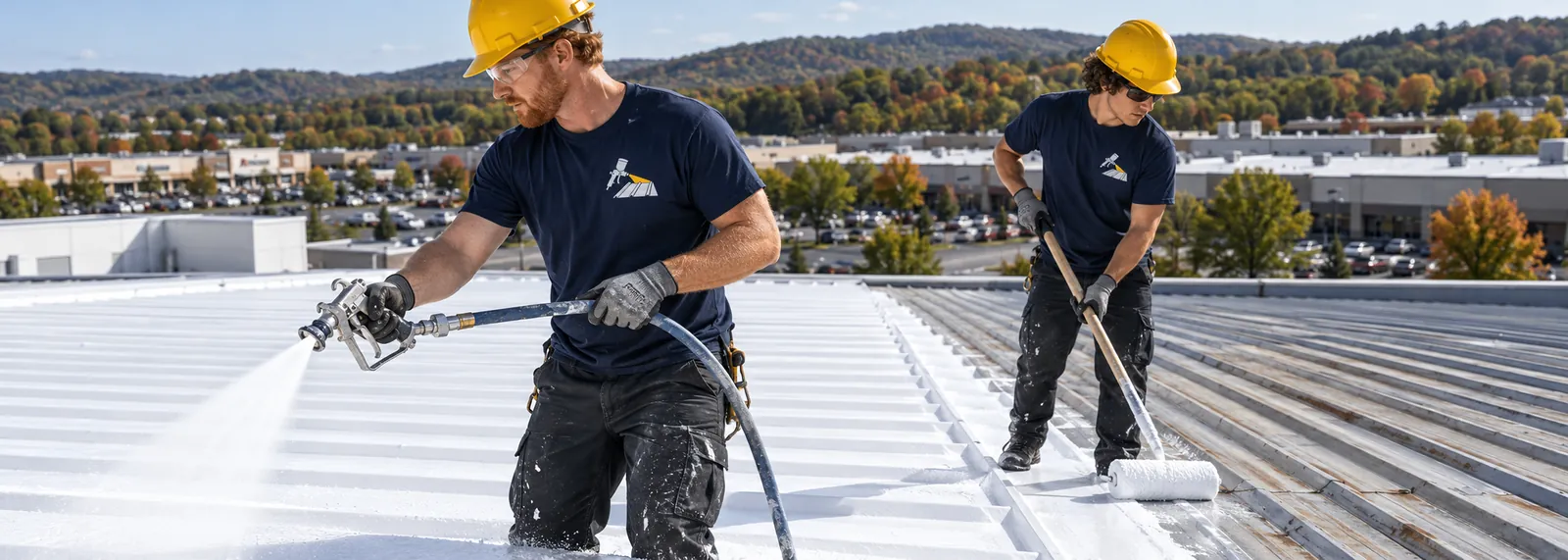
Primer, base, and top coats, or foam and a topcoat, go on to the thickness the product sheet sets, in the weather that product needs.
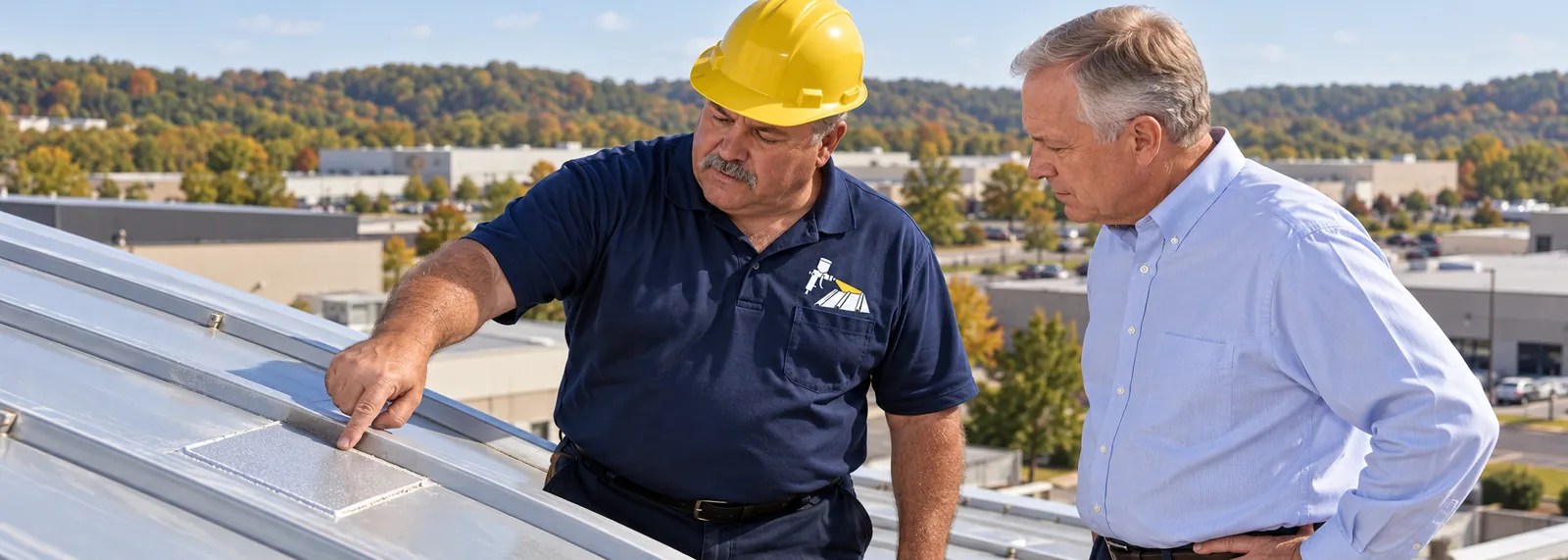
A walk-through on the roof with you closes the job, and photos of the details go into your building file for later upkeep and records.
Answers that apply across every coating system we offer.
Coating fits solid panels with surface rust and few leaks. Restoration adds new screws and reinforced laps and seams before the coat, and re-paneling swaps damaged sheets in limited areas before the whole roof is coated.
Full replacement fits sagging framing, wet insulation, or rust-through across the roof. Disruption inside stays low for coating and restoration and climbs from there.
Hail dents coat over well as long as the steel is unbroken and water still drains off. Deep dents near a lap get extra sealant so water never sits against the seam.
Old roof cement, tar, and asphalt patches get scraped off or sealed with a compatible primer, and loose flashing tape and peeling sealant come off so new work bonds to clean metal.
Most buildings stay open, since the work happens on top of the existing roof without tear-off. Warehouses keep shipping and offices keep their staff inside.
Spray days need wind checks and masking of units, vehicles, and doors, and unit fresh-air intakes are covered or shut down briefly. Roof access, lift spots, and dock use get settled with the facility manager first.
Roof size, panel condition, and the amount of screw, lap, and seam work drive cost more than the coating itself. Rust level, skylights and penetrations, access, and the system chosen add to it.
Two roofs of the same size can land far apart once the detail work is counted, which is why the inspection comes before a firm price.
We coat and restore commercial roofs. When an inspection shows rust-through, wet insulation, or sagging framing across the roof, we tell you replacement is the better call in place of selling a coating that would only delay it.
Answer seven questions for a ballpark coating range, or call to schedule an inspection anywhere in our Florence service area.
Leave a name and number and we will call you back about your commercial roof.
Or call (859) 204-8080 now