
Owner Questions, Plain Answers

Florence Metal Roof Coating Questions

Plain answers to the questions Florence building owners ask about metal roof coating, from rust and screws to permits, weather, and cost.

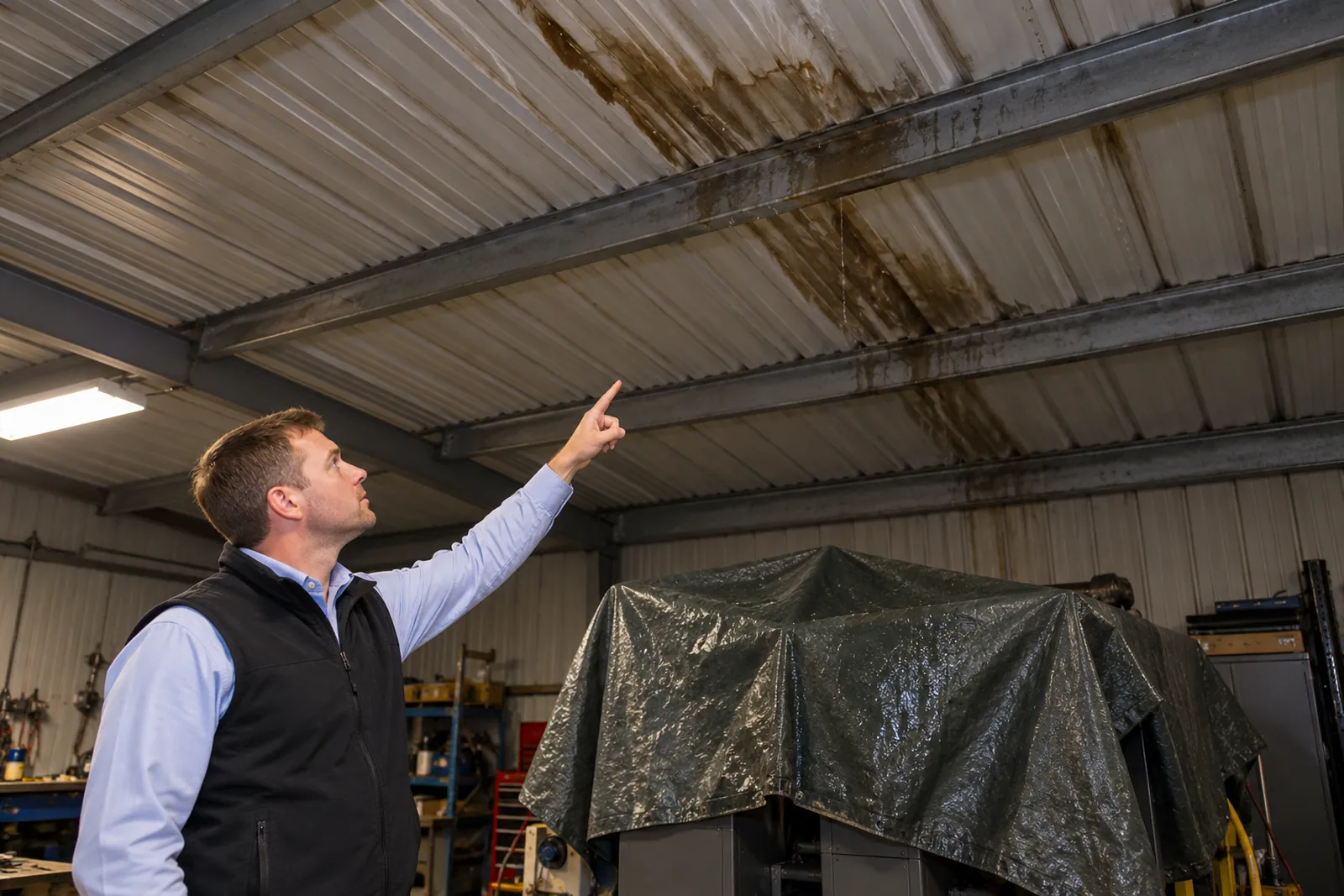
Building owner pointing at rust stains on the underside of a metal roof inside a shop

Metal Roof Coating In Plain Terms

Metal roof coating is a fluid-applied membrane sprayed or rolled over steel panels, screws and seams to stop leaks and slow rust. Florence Metal Roof Coating coats commercial metal roofs and applies silicone, acrylic, spray foam and shingle roof coatings on business, industrial and farm buildings in Florence, Boone County, Kentucky, and nearby towns.

Metal Roof Coating Basics

What does a metal roof coating actually do on a commercial building?

A metal roof coating forms one continuous rubbery film over the panels, fastener heads and seams, so water has far fewer places to get in. On most warehouse roofs, leaks start at screws, panel laps and flashing, and the coating seals those along with the flat field of each panel.

The film also keeps oxygen and moisture off bare steel, which slows rust. Light colors reflect sunlight and help the roof run cooler in summer. The existing panels stay in place, so the building stays dry and in use while crews work across the roof.

Which metal roofs are good candidates for coating?

Metal roofs with solid panels, light to moderate surface rust, and screws that still bite into the purlins make the best coating candidates. That covers exposed-fastener R-panel, PBR panel, corrugated steel and standing seam roofs on warehouses, shops, barns, churches and retail buildings.

Poor candidates show these warning signs:

  • Rust holes through the panel or along end laps
  • Panels sagging between purlins
  • Wet or crushed insulation under the deck
  • Widespread screws that spin in place

An inspection with a moisture check on the insulation separates the good roofs from the ones that need panel work first.

Coat, restore, re-panel or replace: how do the options compare?

Coating fits a roof with solid panels, restoration adds repairs before the coating, re-paneling swaps damaged sheets, and replacement removes the whole system.

OptionRoof condition it fitsWork on the roofDisruption inside
Coating onlySolid panels, surface rust, few leaksClean, prime rust, coat field and detailsLow
RestorationRusty laps, failed screws, open seamsNew fasteners, reinforced seams and laps, then coatingLow
Re-panel sectionsHoles or crushed panels in limited areasSwap damaged sheets, then coat the whole roofModerate
Full replacementSagging structure, wet insulation, rust-through across the roofTear off panels and install a new roofHigh

The inspection decides which row fits. Many older Boone County metal roofs land in the restoration row because screws and end laps fail before the panels do.

Is a coated metal roof considered a new roof?

A coated metal roof keeps its original panels, so it is a renewed weather surface over the existing roof instead of a newly installed one. The panels, purlins and insulation stay put, and the coating adds a new membrane on top.

That difference matters for building records, insurance and taxes. Carriers and lenders set their own definitions, so ask your agent how they classify a coated roof. Keep inspection photos, product data sheets and a record of the work at fasteners, seams, skylights and flashing in the building file.

Rust, Fasteners And Seams

How do you handle rust before coating a metal roof?

Rust gets cleaned, treated and primed before any topcoat goes on, because coating over loose rust traps it under the film. Crews start with a pressure wash to remove dirt and chalking, then wire-brush or grind flaking spots down to tight rust or bare steel.

A rust-inhibiting primer goes on those spots, with extra attention at end laps, gutters and around skylight panels where water lingers. White rust on galvanized panels gets its own cleaning and a primer matched to zinc. Rust holes get a metal patch or a reinforced repair before the field coat.

Why do metal roof screws leak, and what happens to them during coating?

Metal roof screws leak when their rubber washers dry out and crack, or when the screw backs out as panels expand and contract with temperature swings. Each heat and cool cycle works the screw a little looser until water follows the shank into the building.

During coating, crews check every fastener. Loose or stripped screws get swapped for a larger diameter screw with a new washer. Tight screws get a dab of sealant over the head. Then the coating covers all of them. A large roof carries thousands of screws, so this step drives much of the labor.

How are panel laps, end laps and seams sealed before coating?

Panel laps and end laps get reinforced before coating because water wicks between overlapping sheets and a plain coat bridges those joints poorly. Side laps run up and down the slope; end laps cross it where one sheet overlaps the next, and they hold the most water.

Restoration systems seal those joints with one of these:

  • Polyester fabric embedded in base coat
  • Butyl or seam tape pressed onto clean steel
  • Mastic tooled into gaps around lap fasteners

After the joint cures, the full roof coat goes over it. The ridge cap gets the same treatment where it overlaps the top of each panel.

Do standing seam and exposed-fastener R-panel roofs need different prep?

Standing seam and exposed-fastener roofs need different prep because one hides its clips under the seams and the other puts every screw on the surface.

DetailStanding seamExposed-fastener R-panel
FastenersConcealed clips under the seamsScrews through the panel face at each purlin
Main leak pointsSeam ends, ridge, penetrations, curbsScrew washers, side laps, end laps
Prep focusSeam ends and transitionsScrew replacement and lap reinforcement
Coating detailSeams keep room to moveEvery screw head gets covered

Standing seam panels slide on their clips as they expand, so the coating plan respects that movement. R-panel roofs take far more detail time because of the screw count.

Can you coat over hail dents and old repairs?

Coating goes over hail dents with no trouble as long as the steel is unbroken and water still drains off the dented area. Shallow dents hold a little dew, which the coating handles, but deep dents near a lap get extra sealant so water never sits against the seam.

Old repairs need a closer look. Roof cement, tar and asphalt patches from past leaks get scraped off or sealed with a compatible primer, since many coatings bond poorly to asphalt products. Loose flashing tape and peeling sealant at curbs come off so the new work bonds to clean metal.

Choosing A Coating System

Silicone or acrylic: which coating is better for a metal roof?

Silicone holds up better where water ponds or lingers, while acrylic suits metal roofs that shed water fast and need a lower material cost. Both bond to properly primed steel, and both come in white.

FactorSiliconeAcrylic
Standing waterResists pondingSoftens under ponding
Application weatherHandles cool, damp days betterNeeds dry, warm days and nights to cure
Recoating laterBonds well only to more siliconeEasy to recoat with acrylic
Dirt pickupHolds more dirt, which dulls the whiteStays cleaner on most roofs
Best fit on metalLow slopes, gutters and end laps that stay wetPitched roofs that drain fast

Each manufacturer's data sheet sets the exact limits for its product.

When does spray foam over a metal roof make more sense than coating alone?

Spray foam over metal makes sense when the building needs added insulation, the panel ribs leave deep flutes to fill, or the roof needs a smoother, better-draining surface. Foam bonds to clean steel, fills the flutes, and gets a coating topcoat to protect it from sunlight.

FactorCoating onlySpray foam plus coating
Insulation addedVery littleYes, by foam thickness
Weight addedLightLight, though heavier than coating
Ponding fixOnly with extra sealant workFoam can be built up to improve drainage
Work at screws and lapsDetailed reinforcementFoam covers them after cleaning
Weather limitsDry surface, cure temperatureDry surface, low wind, warm steel

Foam raises the roof surface at gutters and eaves, so trim and drip edges get planned before spraying.

Can you coat an asphalt shingle roof on a commercial building?

Shingle roof coating can extend a commercial shingle roof when the shingles still lie flat, hold their granules, and come from a manufacturer that allows coating. Strip centers, offices and churches often pair sloped shingle sections with a metal or low-slope roof, and both age at the same time.

Coating is the wrong call when shingles are curled, cracked, missing or soft underfoot, or when the manufacturer's terms rule it out. The product must be one made for shingles so the roof can still release moisture. We check shingle condition and the manufacturer's position before recommending it.

Is urethane or another coating ever used on metal roofs?

Urethane coatings show up on metal roofs that see foot traffic, impact, or rooftop equipment, because they cure harder and resist scuffing better than acrylic or silicone. They often serve as a base coat over seams and screws or as a tough layer around walkways and HVAC curbs.

Many restoration systems stack products, such as a urethane or acrylic base under a silicone or acrylic topcoat. The right stack follows the manufacturer's tested system, since every layer has to be compatible. On a Boone County metal roof, the choice usually turns on drainage, traffic around units, and the condition of the laps.

What color should a metal roof coating be?

White is the most common color for metal roof coatings because it reflects the most sunlight and keeps panels cooler in summer. Cooler panels expand and contract less, which eases stress on screws and laps.

Tan, gray and other colors exist for roofs seen from the street or roofs that need to match trim. Colored coatings run warmer than white. The Cool Roof Rating Council directory lists rated roof products with tested reflectance and emittance values, which helps compare coatings before choosing one.

Climate And Weather Around Florence

How does Northern Kentucky weather affect a metal roof?

Northern Kentucky weather puts metal roofs through hot, humid summers, cold winters with repeated freeze and thaw, and spring thunderstorms with wind and occasional hail. Every temperature swing moves the panels, which loosens screws and opens laps over time.

Humidity and condensation keep the underside of panels damp in some buildings, so end laps rust from both sides. Snow that melts by day and refreezes by night builds ice at gutters and eaves, where coatings and sealants take the most abuse. The National Weather Service office in Wilmington, Ohio covers forecasts and warnings for the Florence area.

What time of year is best for coating a metal roof in Boone County?

Late spring through early fall is the best window for coating a metal roof in Boone County, because coatings need dry steel and mild temperatures to cure. Acrylic in particular needs warm days and nights above its minimum cure temperature, and overnight dew can wash it off before it sets.

Silicone tolerates cooler conditions better, which stretches the season a little at each end. Spring rain and summer storms still set the schedule day by day. Crews check the forecast, surface temperature and dew point each morning, and hold off on coating when rain or heavy dew is coming.

Does a coating help with summer heat in a metal building?

A white coating helps a metal building in summer by reflecting sunlight that bare or faded panels would absorb and pass into the space underneath. Shops, warehouses and barns with little insulation feel the change most, especially near the roof deck where stock and workers sit.

How much a building gains rests on insulation, ventilation and how the space is cooled. Spray foam adds insulation on top of the reflective surface for buildings that need more. Savings vary from building to building, so no set amount is promised.

Question Not Listed Here?

Call and ask about your own roof. Telling us the roof type and where water shows up gets you a straight answer faster.

Call Us

Prep, Application, And Downtime

What are the steps to coat a commercial metal roof?

Coating a commercial metal roof follows a set order of inspecting, cleaning, repairing, priming, detailing and coating.

  • Inspect Your Roof: walk the panels, test screws, check laps, gutters, skylights and insulation moisture.
  • Pressure wash to remove dirt, chalking and loose paint.
  • Replace failed screws and repair holes, loose flashing and open seams.
  • Prime rust spots and any surface the product calls for.
  • Reinforce laps, seams, curbs and penetrations with fabric, tape or mastic.
  • Apply the field coat by spray or roller to the specified thickness.

Skipping a step shows up later as peeling at laps or rust bleeding through at screw heads.

Can a building stay open while the roof is coated?

Most buildings stay open during a metal roof coating because the work happens on top of the existing panels with no tear-off. Warehouses keep shipping, shops keep running, and offices keep their staff inside.

Planning still matters. Spray work needs wind checks and masking of rooftop units, vehicles and nearby doors. Fresh air intakes on HVAC units get covered or shut down for short periods to keep odors out. Crews settle roof access, lift placement and loading dock use with the facility manager before work starts.

How long does coating a metal roof take?

Square footage, screw count, the amount of lap and seam work, and the weather set how long coating a metal roof takes. Small shop roofs finish in days; large warehouse roofs take longer, and screw and seam detailing usually takes more time than spraying the field coat.

Each coat needs dry weather to cure before the next goes on or before rain hits it. A week of storms stretches any schedule. The inspection shows how much detail work the roof holds, which is the biggest variable in timing.

What maintenance does a coated metal roof need?

A coated metal roof needs a yearly walk and a check after major storms to catch small problems at screws, curbs and gutters before they spread. Watch for these:

  • Blisters or peeling at end laps
  • Exposed screw heads or torn washers
  • Leaves and debris clogging gutters and downspouts
  • Cracks around skylight panels and HVAC curbs
  • Ponding that leaves dirt rings

Small spots get cleaned and recoated with a compatible product. Clear gutters and foot traffic kept to marked paths do more for the coating than anything else.

Cost, Value, And Taxes

What drives the cost of a metal roof coating?

Roof size, panel condition, and the amount of screw, lap and seam work drive the cost of a metal roof coating more than the coating itself.

Cost driverWhy it matters
Square footageSets the amount of coating and labor
Fastener count and conditionReplacing screws is slow, hand work
Rust levelGrinding and priming add labor and material
Lap and seam reinforcementFabric, tape and base coat add steps
Skylights and penetrationsEach curb and panel needs hand detailing
AccessHeight, slope and lift needs add time
System choiceSilicone, acrylic and spray foam carry different material and thickness needs

Two roofs of the same size can differ widely once the screw and lap work is counted.

Is coating cheaper than replacing a metal roof?

Coating usually costs less than replacing a metal roof because the panels, insulation and structure stay in place and nothing gets torn off or hauled away. The building also stays in use, which avoids moving stock or pausing operations.

That advantage disappears when panels are rusted through, insulation is wet, or the structure sags between purlins. Coating those roofs only delays a replacement. The inspection checks for those conditions first, so the comparison rests on what the roof actually holds.

Can a metal roof coating qualify for Section 179?

According to IRS Publication 946, roof improvements on existing nonresidential buildings can qualify for Section 179 expensing. For 2026, the publication lists a deduction limit of $2,560,000, reduced dollar for dollar once qualifying property placed in service tops $4,090,000.

Roofs on residential rental property are excluded. Whether a coating counts as a qualifying roof improvement or a repair is a question for your CPA, who can review the scope, invoices and building use. Keep photos and records of the work on screws, seams and the roof surface for that conversation.

Permits, Codes, And Utilities

Who issues building permits for commercial roof work in Florence?

The Boone County Building Department handles building permits and inspections for Florence, Union, Walton and unincorporated Boone County, according to the Kentucky Department of Housing, Buildings and Construction contact sheet for Boone County. The City of Florence points businesses to that county office for permits.

Whether a coating job needs one turns on scope, such as panel replacement, structural repairs, or spray foam that changes edge heights. Contact the Boone County Building Department before work begins.

Which office handles permits in each nearby town?

Four of the five towns around Florence fall under the Boone County Building Department, and Warsaw in Gallatin County goes through the state for commercial work.

TownCountyBuilding permits and inspections
FlorenceBooneBoone County Building Department
UnionBooneBoone County Building Department
BurlingtonBoone, unincorporatedBoone County Building Department
HebronBoone, unincorporatedBoone County Building Department
WarsawGallatinKentucky Department of Housing, Buildings and Construction

The Gallatin County contact sheet lists no local building inspector and sends commercial construction to the state department. Edge metal changes and spray foam are the items most likely to raise a permit question.

Which electric utilities serve buildings around Florence?

Owen Electric Cooperative serves parts of Boone and Gallatin counties, according to East Kentucky Power Cooperative's member list, and Duke Energy Kentucky is the other large provider in the area. The electric bill shows which one serves a given building.

Utilities touch a coating job in two ways. Rooftop HVAC units sometimes get shut down while crews work around their curbs, and any energy programs belong to the utility. Ask the utility directly about commercial programs; no rebate is promised for a reflective coating.

Questions By Town

Should a Florence building be recoated before a new tenant moves in?

A Florence building between tenants is the easiest time to recoat the roof, because nobody's stock sits under the skylights and screw lines while crews work. The City of Florence notes that a change of occupant or use triggers a Boone County building permit and a city fire inspection.

Fixing leaks at curbs, gutters and end laps before that inspection keeps stains and wet ceiling tiles out of the walkthrough. Roof work that overlaps a tenant build-out also gets one shared schedule for lifts, dumpsters and dock space.

Does a coating color change on a Florence building involve zoning?

Zoning questions for Florence properties go to the Boone County Planning Commission, which handles planning and zoning for all of Boone County, including the city. A white coating on a low-slope roof hidden behind a parapet rarely draws attention.

A pitched metal roof facing a street is different. Changing a red or green panel roof to white or tan alters how the building looks, so owners of storefronts and offices with visible roofs check any development plan conditions before choosing a color.

Does Union have its own building department for roof work?

Union is an incorporated city, yet its building permits and inspections run through the Boone County Building Department, the same office that covers Florence and Walton. The state contact sheet for Boone County lists one local inspector entry that includes all three cities.

A Union owner calls the county office instead of city hall for roofing permit questions. Coating work that replaces damaged panels, adds spray foam, or changes flashing at walls and curbs is the scope to ask about first.

What should owners of farm and shop buildings near Union check before coating?

Pole barns, equipment sheds and shop buildings around Union usually carry exposed-fastener steel roofs with open purlins and no insulation underneath. That setup drips condensation in cold weather and rusts panels from the underside, so the inspection looks up from inside as well as down from the roof.

Owen Electric serves parts of Boone County, so co-op members check with the cooperative before work around any roof-mounted equipment. Barns housing livestock or hay also need ventilation gaps at the ridge cap kept open when the roof gets coated.

How does Burlington's role as the Boone County seat affect commercial roof work?

Burlington is the Boone County seat and is unincorporated, so the county is the only local permit and zoning layer for buildings there. No separate city office reviews the work.

That keeps the paperwork simple for coating a church, office or county-area shop with a metal roof. Owners still confirm with the Boone County Building Department whether panel replacement, new skylight panels, or spray foam at the eaves needs a permit, and the Boone County Planning Commission answers zoning questions.

Are older metal buildings around Burlington worth coating?

Older metal buildings around Burlington are worth coating when the panels are still solid and rust stays at the surface, which is common on roofs whose real failures sit at screws and end laps. Shops with metal siding often use the same exposed-fastener panels on the roof and walls.

The inspection checks for rust-through along the eave where water runs off, crushed panels where ladders leaned, and gutters pulling away. If the wall panels share the same rust pattern, coating the roof first stops the water that feeds the wall rust.

What makes large logistics roofs near Hebron different to coat?

Logistics and air cargo buildings near CVG in Hebron cover huge footprints, and the state's 2017 announcement of an Amazon air cargo hub at CVG marked the airport as a major freight site. Roofs that size multiply every detail, from screws to skylight panels to curbs.

Work runs in sections so docks, sorting floors and conveyors stay in service. Crews map drains, gutters and ponding areas across the whole roof first, because a small ponding issue on a huge roof becomes a large area of standing water.

Do cranes or lifts near CVG need extra planning for roof work in Hebron?

Cranes and tall lifts near the airport in Hebron need extra planning because equipment height close to a runway can require notice to the airport or the FAA. Owners confirm that before any crane goes up to load coating drums or spray rigs onto the roof.

Spray work near active aircraft ramps and truck courts also needs tight overspray control, with masking on parked vehicles, rooftop units and dock doors. Wind checks matter more on open ground around the airport, so spraying moves to calmer hours.

Who handles commercial building permits in Warsaw?

Commercial construction in Warsaw and the rest of Gallatin County goes through the Kentucky Department of Housing, Buildings and Construction, because the county lists no local building inspector. The Gallatin County contact sheet names a state building inspector for the county.

For a Warsaw shop, church or warehouse, owners contact the state office early when coating work includes panel replacement, structural repair at purlins, or spray foam that changes the roof edge. State review adds lead time, so it belongs at the front of the schedule.

How does the Ohio River setting affect metal roofs in Warsaw?

Warsaw sits on the Ohio River, and river fog and heavy dew keep metal roofs wet longer on many mornings, which feeds rust at end laps and slows coating cure. Crews start later in the day there and stop earlier so the coating sets before evening dew returns.

Buildings in low ground near the river also see more humidity inside, so condensation under the panels needs a look from the interior. Owen Electric serves Gallatin County, and co-op members coordinate with it for any service near rooftop equipment.

Getting Started

How do I start a metal roof coating project in Florence or a nearby town?

Starting a metal roof coating project begins with a roof inspection that checks panels, screws, laps, gutters, skylights and the insulation underneath. Gather what you know before the visit:

  • Leak locations and when they show up
  • Age of the roof and any past repairs
  • Number of skylight panels and rooftop units
  • Access points, such as roof hatches or a spot for a lift

The inspection shows whether the roof fits coating, restoration, spray foam or replacement, and which coating system matches its drainage and condition. Owners in Florence, Union, Burlington, Hebron and Warsaw get the same process, with permit steps matched to their county.

Ready For A Roof Inspection?

Answer seven questions for a ballpark range on coating your roof, or call to book an inspection in Florence or a nearby town.

Call (859) 204-8080